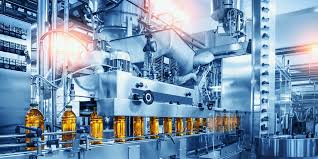
🍎 Course Summary: Technology of Specific Products
This course provides a detailed, commodity-based examination of the industrial-scale processing technologies used to convert raw agricultural materials into finished food products. It applies fundamental principles from food science and food engineering (such as heat transfer, microbiology, and unit operations) to specific food sectors.
Course Goals
The primary goal is for students to understand the entire value chain of major food commodities—from raw material quality assessment through processing, preservation, packaging, and quality control—to meet safety and consumer standards.
Key Thematic Areas
The course is structured around major product groups, with each section covering raw material characteristics, unit operations specific to that product, preservation techniques, and quality challenges.
1. Dairy Technology 🥛
-
Focus: Milk collection, standardization, pasteurization (HTST, UHT), and homogenization.
-
Products: Fluid milk, cheese, yogurt, ice cream, and butter.
-
Challenge: Controlling microbial contaminants (especially Listeria and thermodurics) and managing phase changes (e.g., milk gelation for cheese/yogurt).
2. Cereal and Baking Technology 🍞
-
Focus: Grain structure, milling processes (wheat, rice), and starch/gluten functionality.
-
Products: Flour, bread, pasta, breakfast cereals, and extruded snacks.
-
Challenge: Controlling moisture content, managing dough rheology, and ensuring product texture and shelf stability.
3. Meat and Poultry Technology 🍗
-
Focus: Muscle structure, rigor mortis, stunning/slaughter processes, and carcass breakdown.
-
Products: Fresh cuts, processed meats (sausage, ham), and restructured products.
-
Challenge: Maintaining cold chain integrity, microbial safety (e.g., Salmonella, $\text{E}$. coli), curing chemistry, and color stability (myoglobin control).
4. Fruit and Vegetable Technology 🥕
-
Focus: Post-harvest physiology (respiration, senescence), pre-treatment (blanching).
-
Products: Juices, purees, canned vegetables, frozen produce, and minimally processed fresh cuts.
-
Challenge: Enzyme inactivation (to prevent browning/texture loss), thermal processing optimization, and minimizing nutrient degradation.
5. Fats, Oils, and Confectionery 🍫
-
Focus: Extraction, refining, hydrogenation, and interesterification processes.
-
Products: Vegetable oils, margarines, cocoa processing (bean to chocolate liquor), and compound coatings.
-
Challenge: Preventing oxidative rancidity, controlling crystallization (polymorphism), and managing flow properties (rheology).
Learning Methodology
The course emphasizes case studies and the quantitative application of engineering principles. Students will analyze process flow diagrams and critical control points (CCPs) for different processing lines.
- Teacher: Admin User
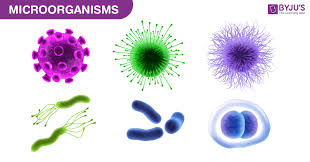
🔬 Introductory Microbiology Course Description
This is a comprehensive course description for an introductory or general Microbiology course, suitable for undergraduate students in biology, pre-medicine, nursing, food science, or related fields.
Course Title: General Microbiology
Course Code: MICR 201
Course Credits: 4 (3 Lecture Hours, 1 Laboratory Hour)
Course Description:
This course introduces the fundamental concepts of Microbiology, the study of microscopic life forms, including bacteria, archaea, viruses, fungi, protozoa, and algae. It explores the diverse structures, genetics, metabolism, and ecology of microorganisms. A strong emphasis is placed on the practical applications of microbiology in human health, disease, industrial processes, and environmental science. Students will gain a foundational understanding of the microbial world, its impact on life on Earth, and the techniques used to study it.
Key Learning Outcomes
Upon successful completion of this course, students will be able to:
-
Differentiate between the major groups of microorganisms (prokaryotes, eukaryotes, and acellular entities like viruses) based on their cellular structure and characteristics.
-
Explain fundamental microbial processes, including growth, metabolism, and methods of genetic transfer.
-
Apply basic laboratory techniques for the isolation, culture, identification, and control of microorganisms.
-
Discuss the principles of host-microbe interactions, including the mechanisms of pathogenesis and the role of the human microbiome.
-
Analyze the principles of microbial control, including sterilization, disinfection, and the mechanisms of antibiotic action and resistance.
-
Relate the significance of microbes to various applied fields such as public health, food preservation, and biotechnology.
Major Course Topics
| Unit | Topic | Description |
| I | Introduction to Microbes | History of microbiology, scope of the field, basic characteristics of prokaryotes and eukaryotes, nomenclature, and microscopy techniques. |
| II | Microbial Structure & Function | Anatomy of bacterial cells (cell walls, membranes, flagella), endospores, and the structural components of fungi and viruses. |
| III | Microbial Metabolism & Growth | Nutritional requirements, aerobic and anaerobic respiration, fermentation, and the physical and chemical requirements for microbial growth. |
| IV | Microbial Genetics | Structure of DNA/RNA, replication, transcription, translation, mutations, and mechanisms of genetic transfer (transformation, conjugation, transduction). |
| V | Control of Microbial Growth | Principles of sterilization and disinfection; effectiveness of chemical agents; moist heat, dry heat, and radiation. Introduction to antimicrobial drugs and resistance. |
| VI | Host-Microbe Interactions | The concept of normal flora (microbiome), principles of epidemiology, disease transmission, and mechanisms of bacterial pathogenesis. |
| VII | Applied Microbiology | Microbes in food production and spoilage, industrial microbiology (biotechnology), and environmental roles (bioremediation, nutrient cycling). |
Laboratory Component
The laboratory section provides hands-on experience in sterile technique and microbial manipulation. Key lab exercises typically include:
-
Aseptic technique and proper use of the microscope.
-
Preparation of bacterial smears and Gram staining.
-
Culture media preparation and streak plate isolation method.
-
Biochemical tests for microbial identification.
-
Enumeration of bacteria (standard plate count).
-
Evaluation of disinfectants and antibiotics (Kirby-Bauer test).
- Teacher: Admin User
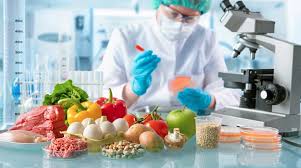
⚙️ Key Unit Operations in Food Engineering
The Food Engineering course focuses on Unit Operations, which are the fundamental physical, chemical, or biological steps used to transform raw agricultural materials into finished food products. Mastering these units is essential for designing and controlling industrial food processes.
Unit operations are broadly classified based on the primary transport phenomenon they utilize:
1. Transport Phenomena Operations
These operations are based on the movement of mass or energy, critical for preservation and quality control.
| Operation Category | Core Goal | Common Processes & Equipment |
| Heat Transfer | Heating or cooling the product to control microbial life and chemical reactions. | Pasteurization, Sterilization (Canning/Retorting), Baking, Freezing, Refrigeration. (Uses heat exchangers, ovens, freezers). |
| Mass Transfer | Controlling the movement of components like water, solutes, or flavor compounds. | Drying/Dehydration (removing water to prevent spoilage), Evaporation (concentrating liquids like milk or juice), Extraction (e.g., oil from seeds). |
| Momentum Transfer (Fluid Flow) | Moving materials through the plant. | Pumping (transferring liquids and slurries), Mixing/Blending, Homogenization (reducing particle size for stable emulsions like milk). |
2. Mechanical and Separation Operations
These steps modify the physical form of the raw material.
| Operation Category | Core Goal | Common Processes & Equipment |
| Preliminary Operations | Preparing the raw material for the main process. | Cleaning/Washing, Sorting and Grading (by size, weight, or color). |
| Size Reduction | Breaking down materials to a smaller, uniform size. | Milling/Grinding (for flour), Cutting/Dicing/Slicing (for fruits/vegetables), Crushing. |
| Separation | Isolating desired components or removing unwanted ones. | Filtration (removing solids from liquids like juice pulp), Centrifugation (separating cream from milk based on density), Sieving. |
| Membrane Separation | Using semi-permeable membranes to selectively separate molecules. | Ultrafiltration, Reverse Osmosis (for concentration and purification). |
A key objective across all these units is to study the underlying engineering principles (e.g., conservation of mass and energy) to calculate, design, and optimize the process equipment for safety, quality, and efficiency.
The video below offers an introductory look at the different phases of food processing that utilize these unit operations. FSS - Unit Operations in Food Processing discusses what unit operations are and gives examples of how they are used in the food industry.
- Teacher: Admin User
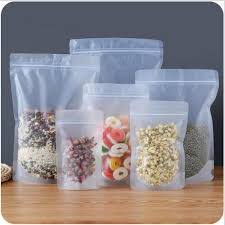
Course Summary Unit: Advanced Food Packaging Technology
Headline: Master the Science of Shelf-Life: Certification in Food Packaging Technology. 🛡️
Course Overview
Food packaging is the critical link between processing and the consumer, directly impacting food safety, quality, and sustainability. This hands-on TVET course delivers the technical competencies required to select, test, and implement packaging systems that protect food and optimize logistics across the supply chain.
You will move beyond basic concepts to master the properties of different materials and apply cutting-edge preservation technologies, ensuring you are ready for a specialist role in manufacturing, quality assurance, or logistics.
Core Competencies & Key Modules
This course focuses on application and compliance, covering the following key areas:
-
Packaging Materials Science: Analyze the properties (barrier, mechanical, chemical) of primary materials—plastics, glass, metals, and paperboard—and determine the correct material for specific food types (e.g., dairy, frozen, high-acid).
-
Packaging Systems & Design: Understand the types of packaging (primary, secondary, tertiary) and master the technical factors that influence package design, including fill-and-seal processes, tamper resistance, and convenience features (e.g., resealability).
-
Advanced Preservation Techniques: Gain practical skills in specialized packaging methods:
-
Modified Atmosphere Packaging (MAP)
-
Vacuum Packaging and Aseptic Packaging
-
Active and Intelligent Packaging (e.g., oxygen scavengers, time-temperature indicators).
-
-
Testing and Quality Assurance: Learn industry-standard methods for testing package integrity, including seal strength, barrier permeability, and migration analysis (ensuring packaging chemicals don't contaminate food).
-
Legislation and Sustainability: Comprehend global food contact regulations and apply principles of sustainable packaging, including the use of biodegradable materials and efficient waste management strategies.
Learning Methodology
-
Virtual Material Testing: Utilize digital tools and simulations to test material performance under various stress and environmental conditions.
-
Case Studies: Analyze real-world packaging failures and successes to inform design and decision-making.
Career Outcomes
This certification opens doors to specialized roles in highly technical environments:
-
Packaging Technologist
-
Quality Assurance (QA) Specialist (focus on packaging)
-
Food Safety and Compliance Officer
-
Materials Testing Laboratory Technician (in the packaging sector)
- Teacher: Admin User