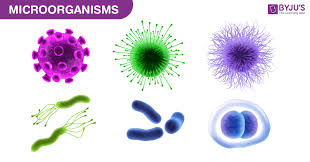
🔬 Introductory Microbiology Course Description
This is a comprehensive course description for an introductory or general Microbiology course, suitable for undergraduate students in biology, pre-medicine, nursing, food science, or related fields.
Course Title: General Microbiology
Course Code: MICR 201
Course Credits: 4 (3 Lecture Hours, 1 Laboratory Hour)
Course Description:
This course introduces the fundamental concepts of Microbiology, the study of microscopic life forms, including bacteria, archaea, viruses, fungi, protozoa, and algae. It explores the diverse structures, genetics, metabolism, and ecology of microorganisms. A strong emphasis is placed on the practical applications of microbiology in human health, disease, industrial processes, and environmental science. Students will gain a foundational understanding of the microbial world, its impact on life on Earth, and the techniques used to study it.
Key Learning Outcomes
Upon successful completion of this course, students will be able to:
-
Differentiate between the major groups of microorganisms (prokaryotes, eukaryotes, and acellular entities like viruses) based on their cellular structure and characteristics.
-
Explain fundamental microbial processes, including growth, metabolism, and methods of genetic transfer.
-
Apply basic laboratory techniques for the isolation, culture, identification, and control of microorganisms.
-
Discuss the principles of host-microbe interactions, including the mechanisms of pathogenesis and the role of the human microbiome.
-
Analyze the principles of microbial control, including sterilization, disinfection, and the mechanisms of antibiotic action and resistance.
-
Relate the significance of microbes to various applied fields such as public health, food preservation, and biotechnology.
Major Course Topics
| Unit | Topic | Description |
| I | Introduction to Microbes | History of microbiology, scope of the field, basic characteristics of prokaryotes and eukaryotes, nomenclature, and microscopy techniques. |
| II | Microbial Structure & Function | Anatomy of bacterial cells (cell walls, membranes, flagella), endospores, and the structural components of fungi and viruses. |
| III | Microbial Metabolism & Growth | Nutritional requirements, aerobic and anaerobic respiration, fermentation, and the physical and chemical requirements for microbial growth. |
| IV | Microbial Genetics | Structure of DNA/RNA, replication, transcription, translation, mutations, and mechanisms of genetic transfer (transformation, conjugation, transduction). |
| V | Control of Microbial Growth | Principles of sterilization and disinfection; effectiveness of chemical agents; moist heat, dry heat, and radiation. Introduction to antimicrobial drugs and resistance. |
| VI | Host-Microbe Interactions | The concept of normal flora (microbiome), principles of epidemiology, disease transmission, and mechanisms of bacterial pathogenesis. |
| VII | Applied Microbiology | Microbes in food production and spoilage, industrial microbiology (biotechnology), and environmental roles (bioremediation, nutrient cycling). |
Laboratory Component
The laboratory section provides hands-on experience in sterile technique and microbial manipulation. Key lab exercises typically include:
-
Aseptic technique and proper use of the microscope.
-
Preparation of bacterial smears and Gram staining.
-
Culture media preparation and streak plate isolation method.
-
Biochemical tests for microbial identification.
-
Enumeration of bacteria (standard plate count).
-
Evaluation of disinfectants and antibiotics (Kirby-Bauer test).
- Teacher: Admin User